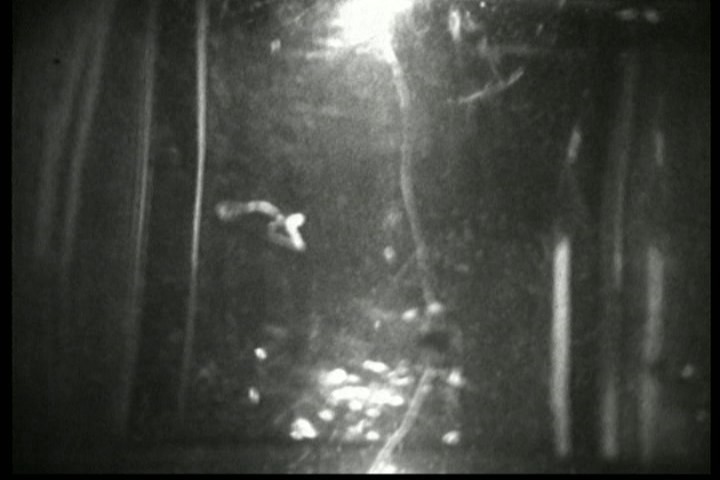
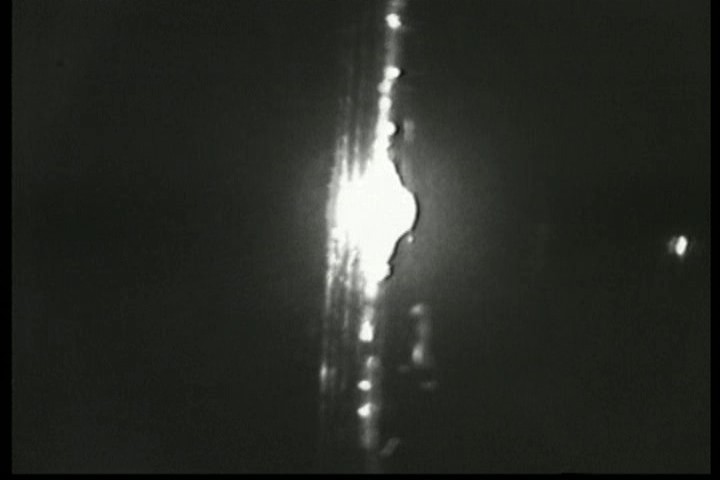
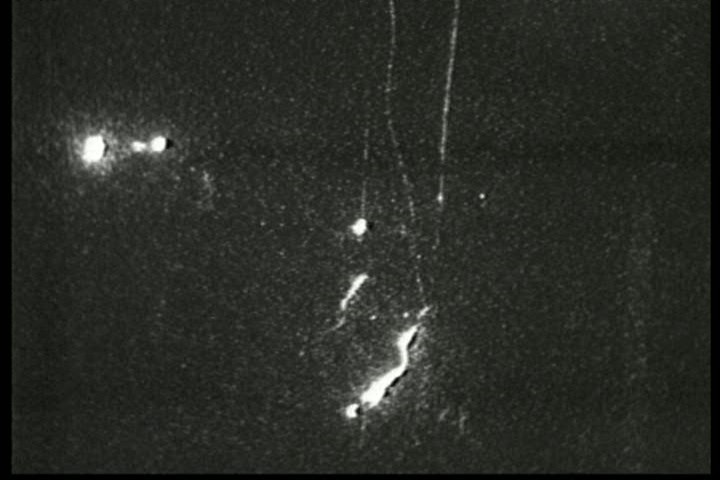
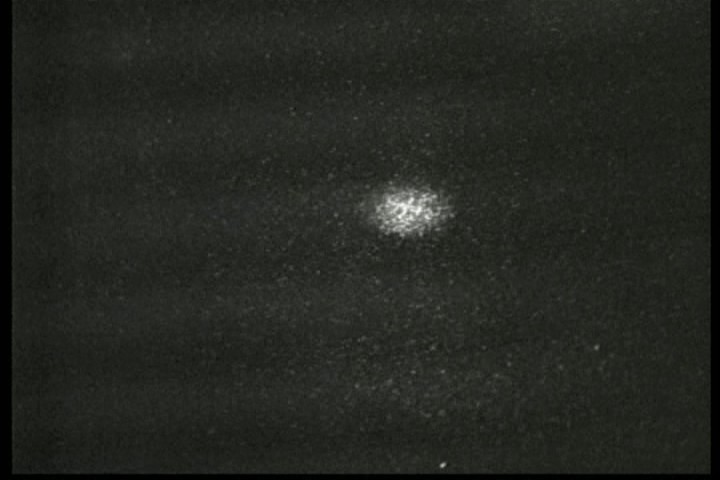
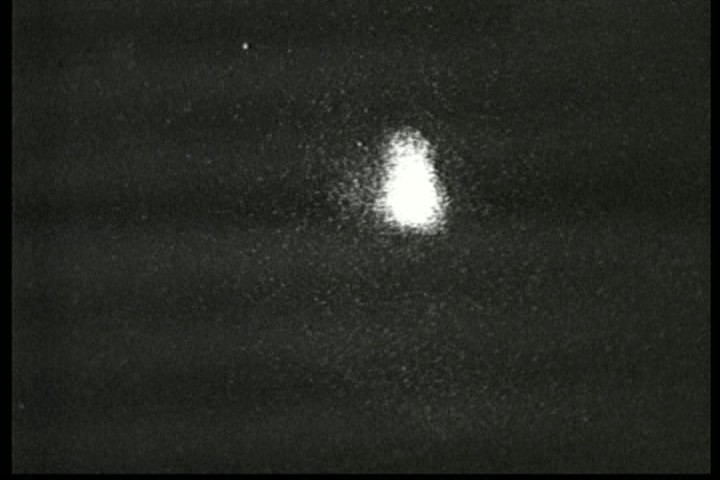
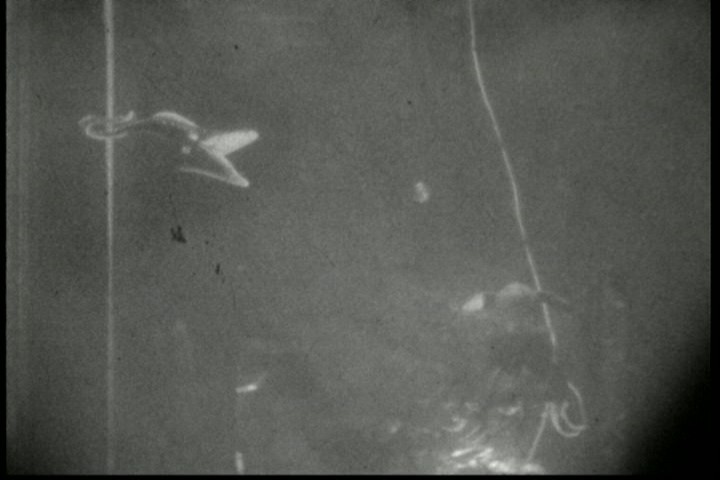
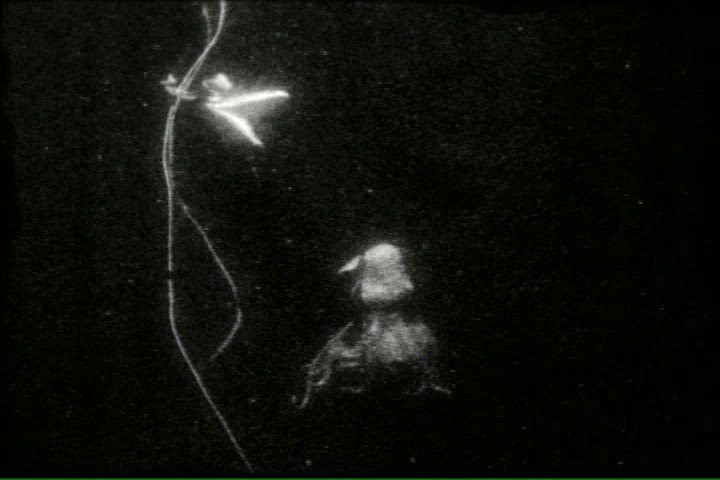
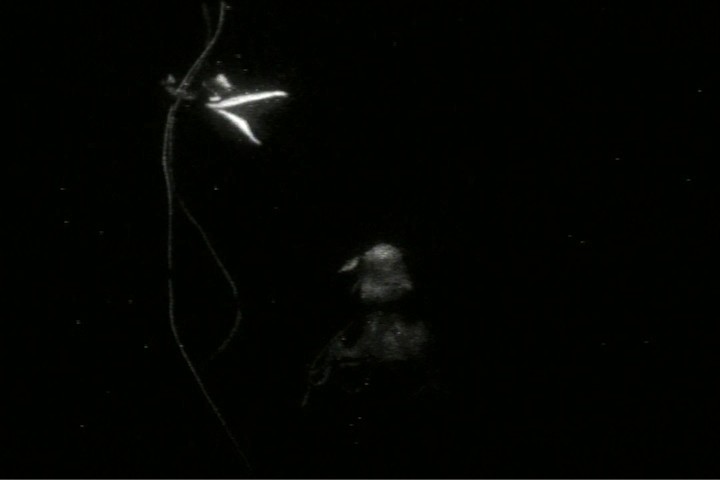
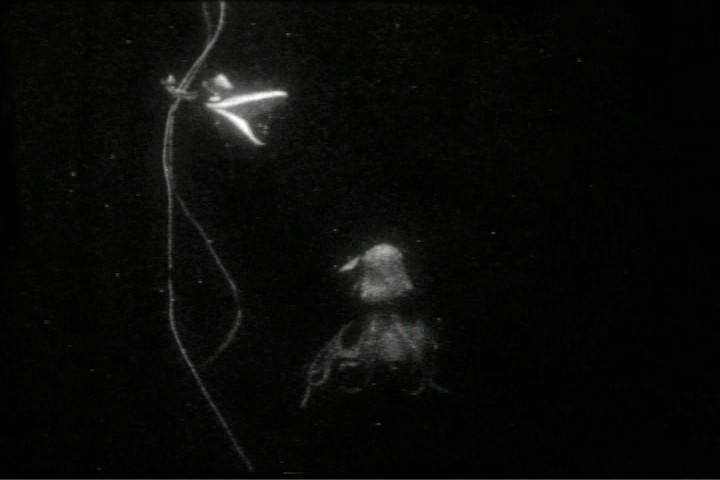
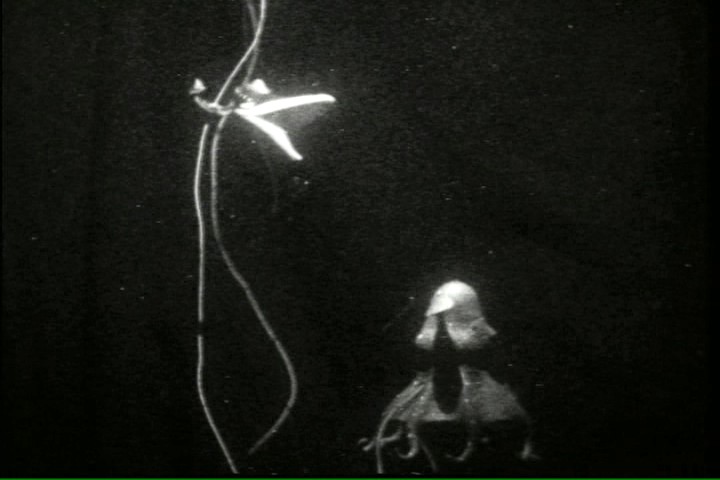
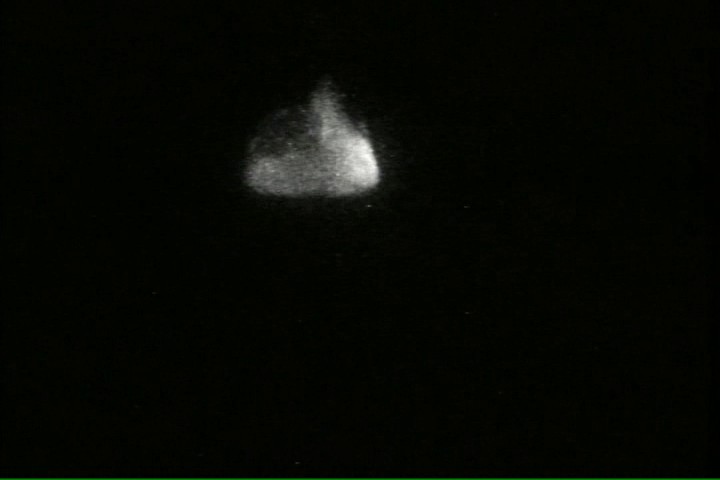
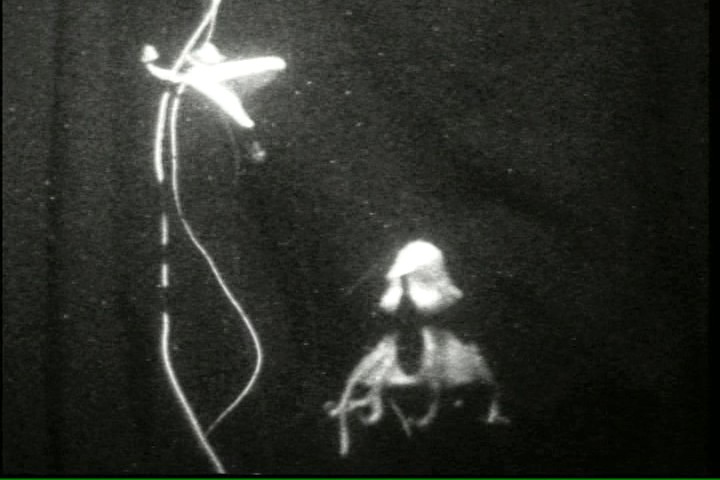
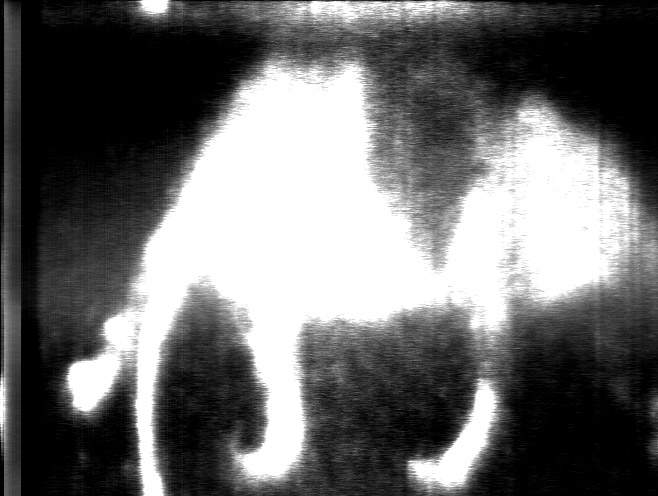
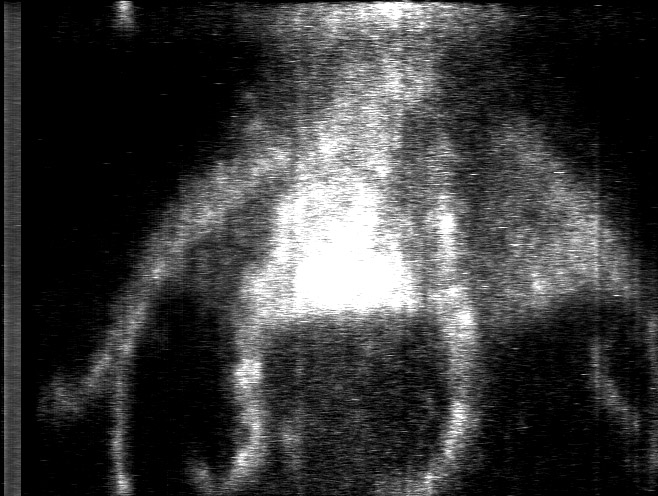
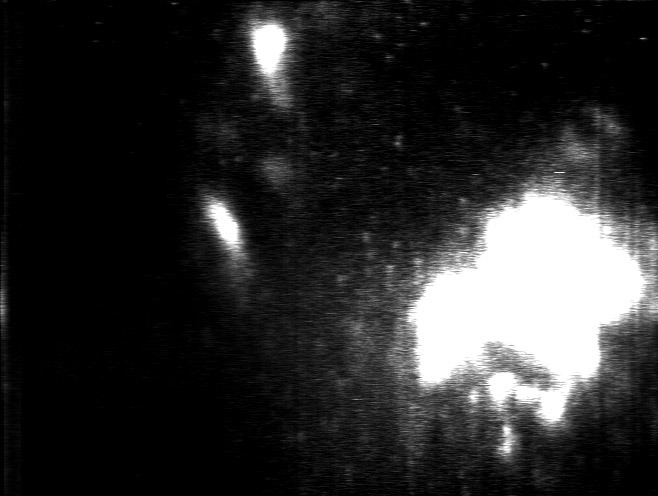
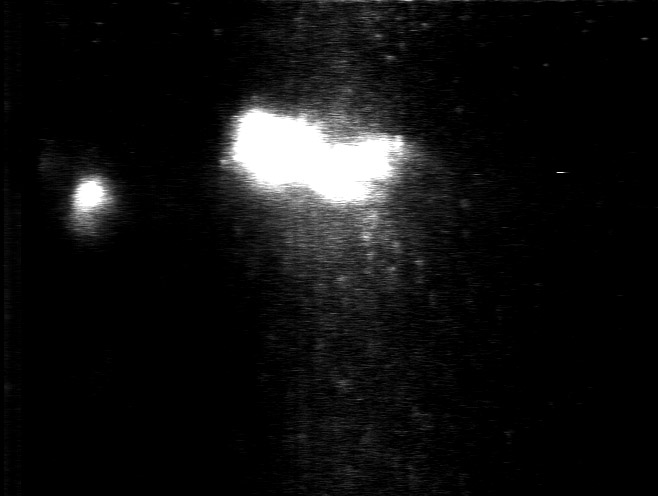
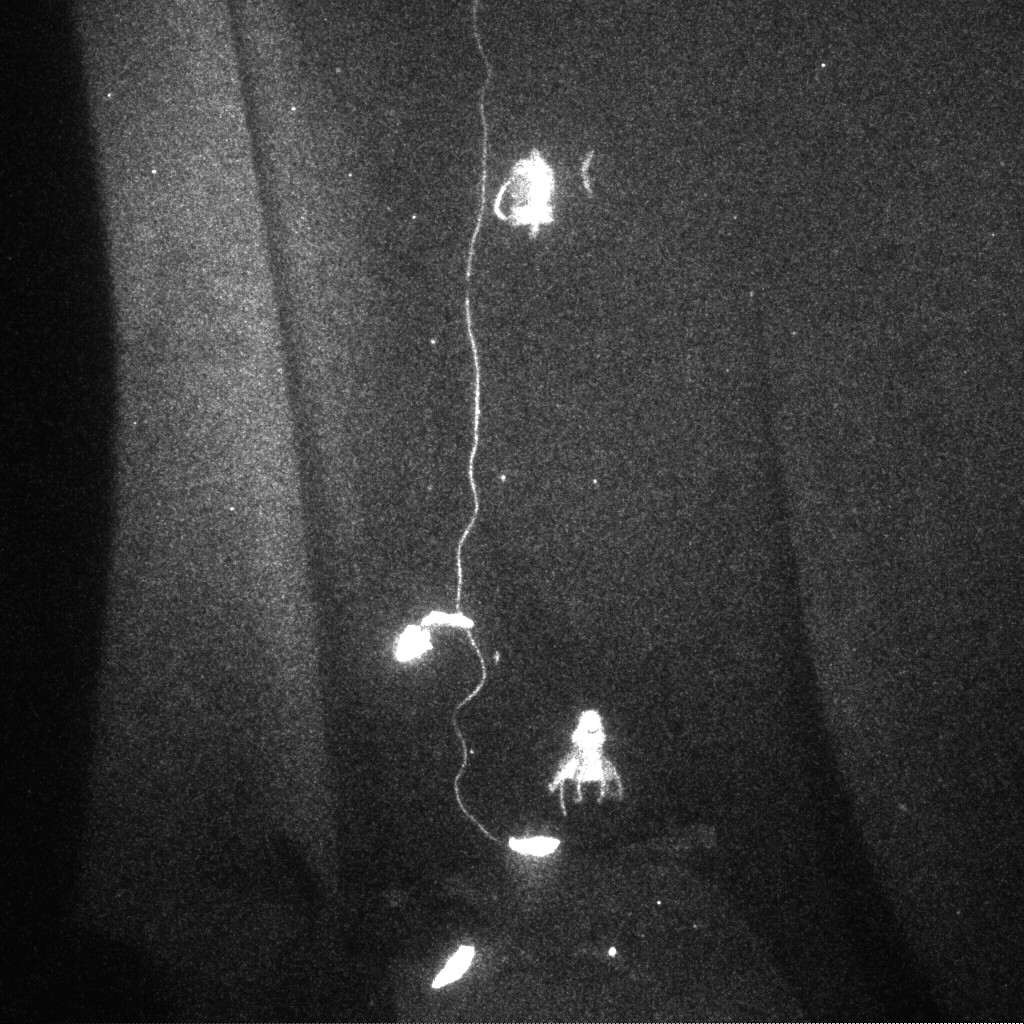
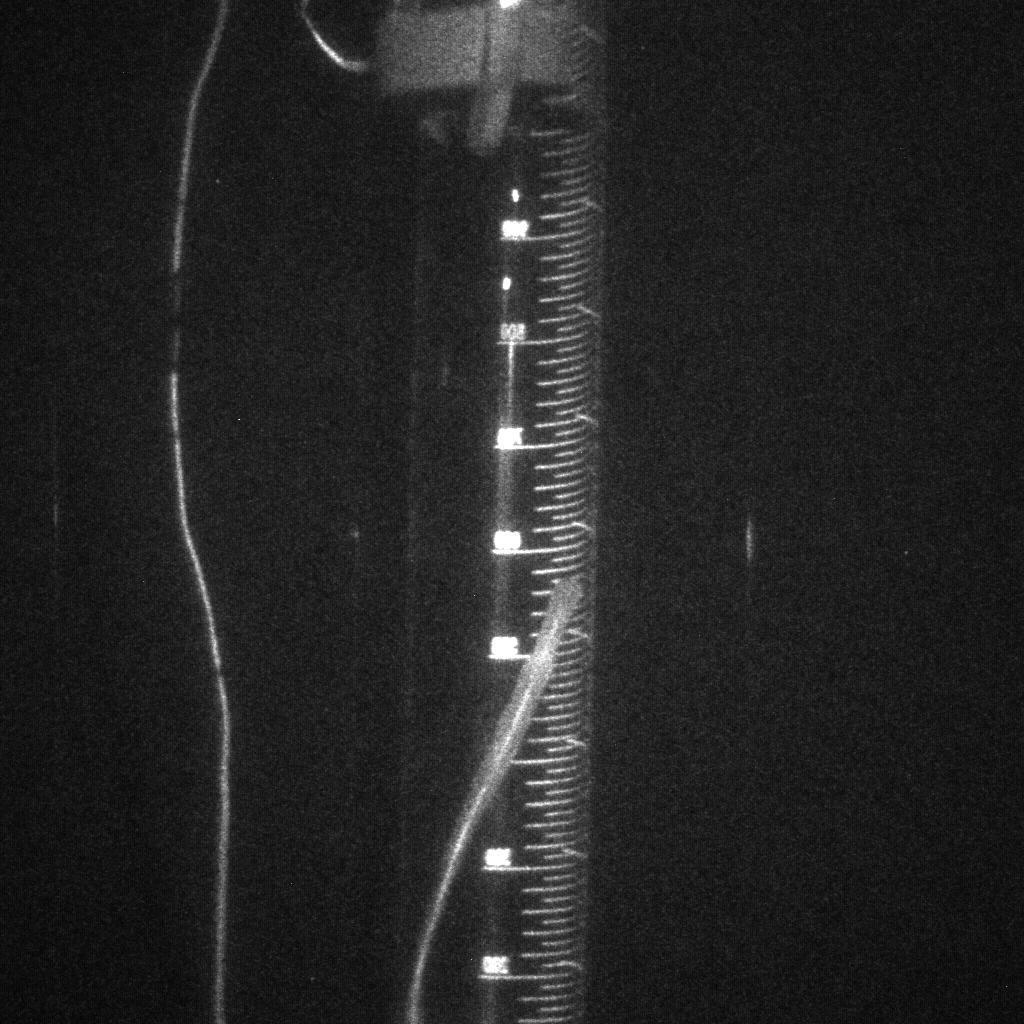
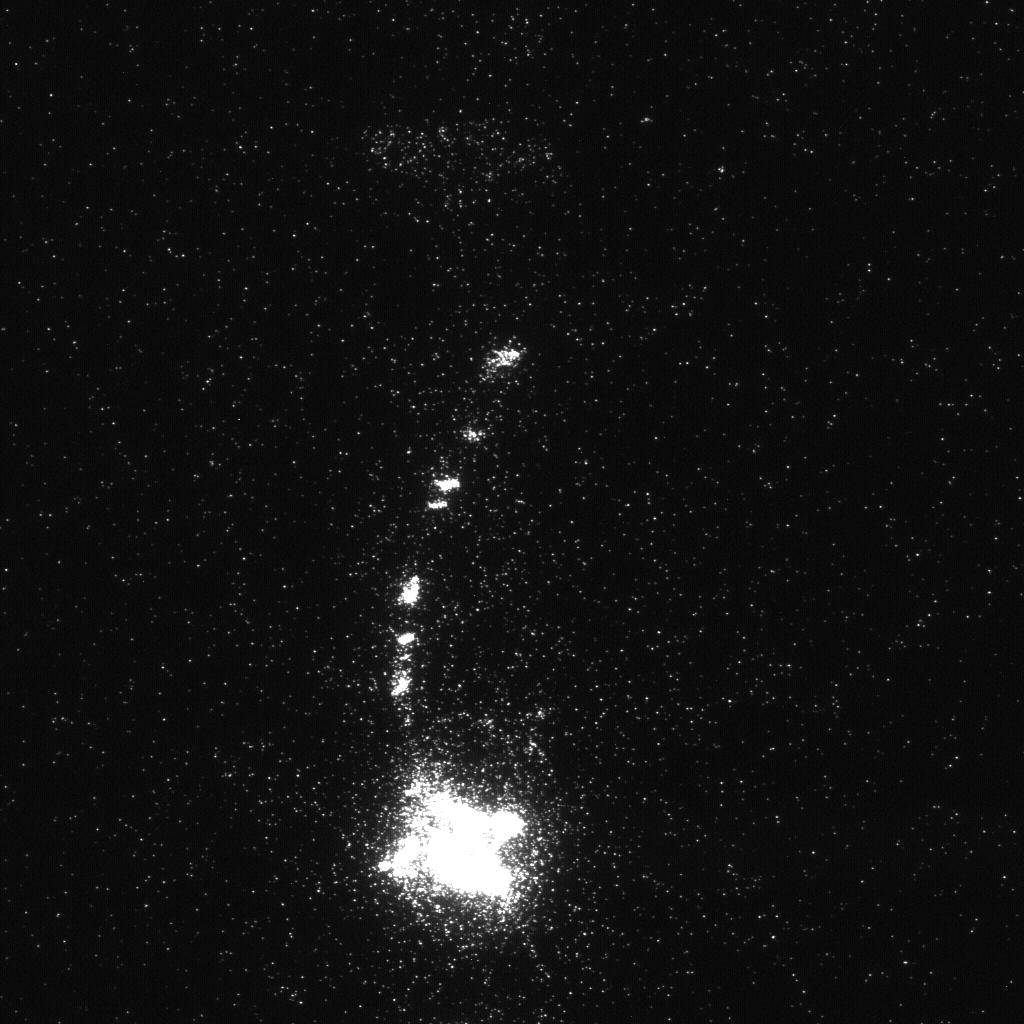
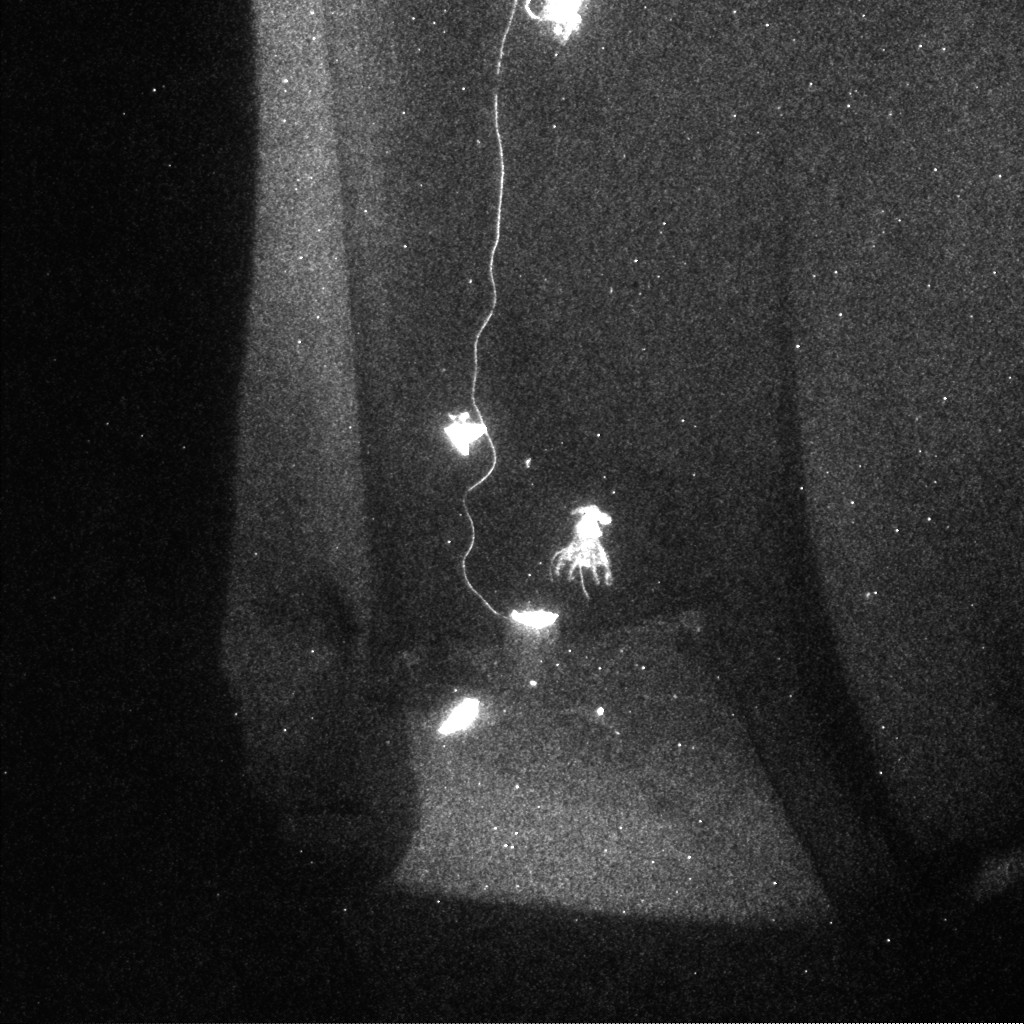
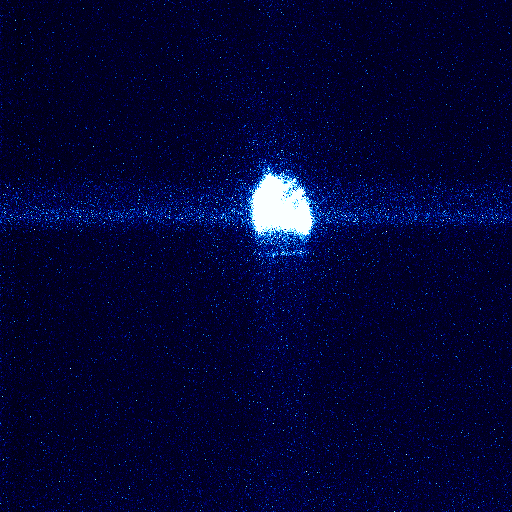
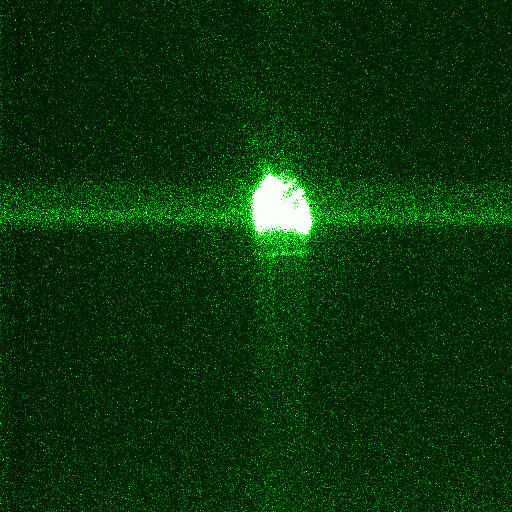
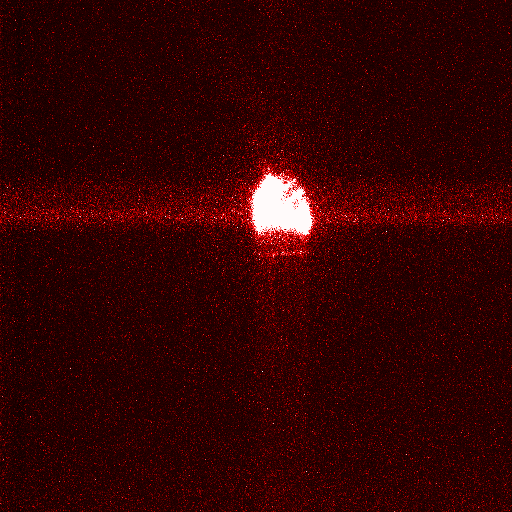
These are the results of testing two Andor
Technology iXon cameras, the DV887 (back illuminated) and the DV885
(front illuminated). Click on an image to watch the associated
video.
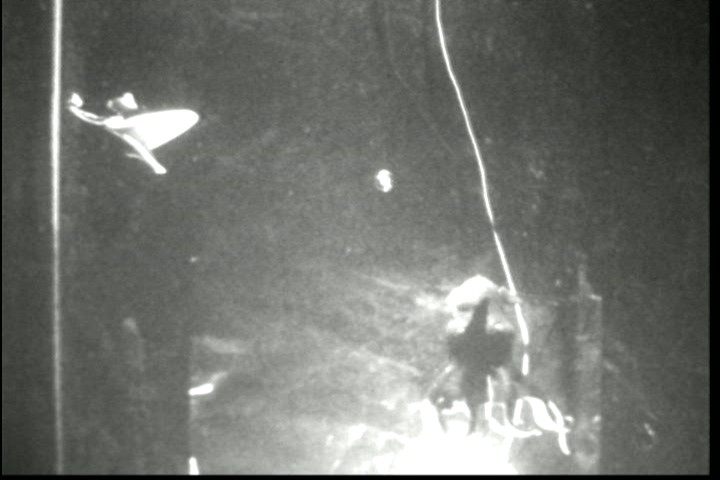
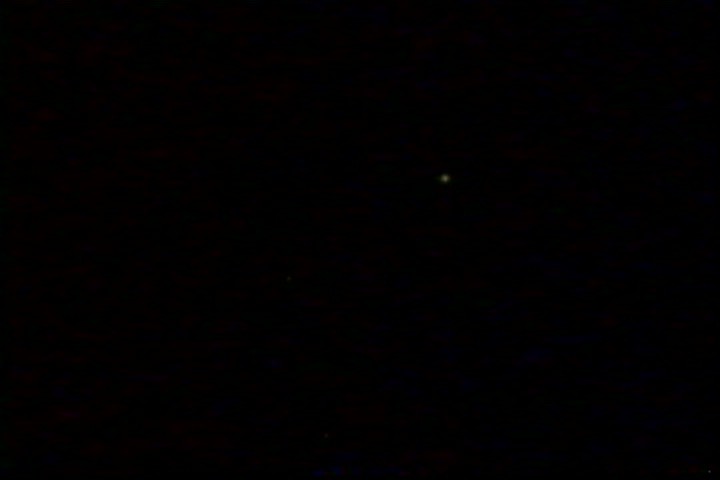
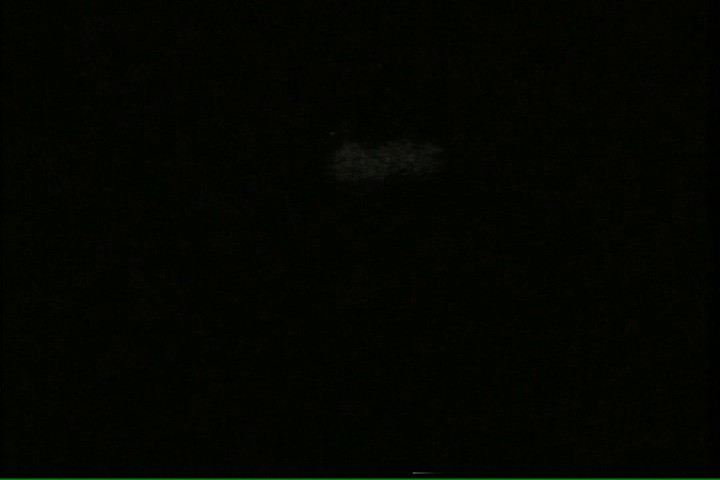
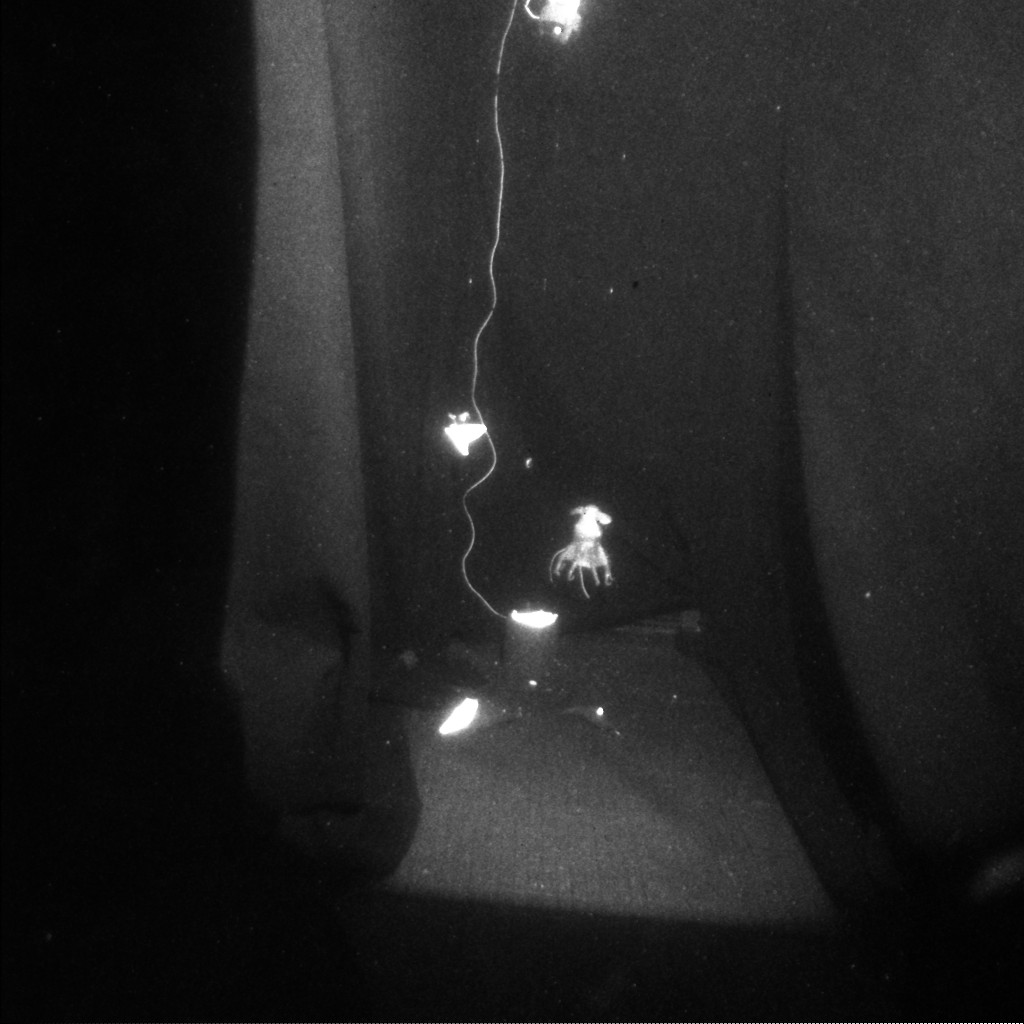
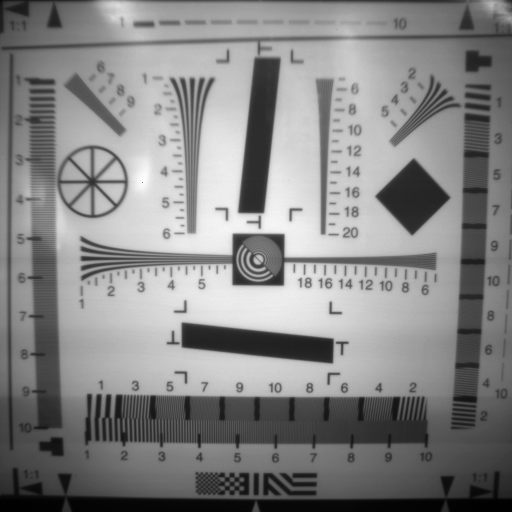
DV887 (back illuminated E2V sensor) 512 x 512
w/8.5mm lens
|
|
|
|
|
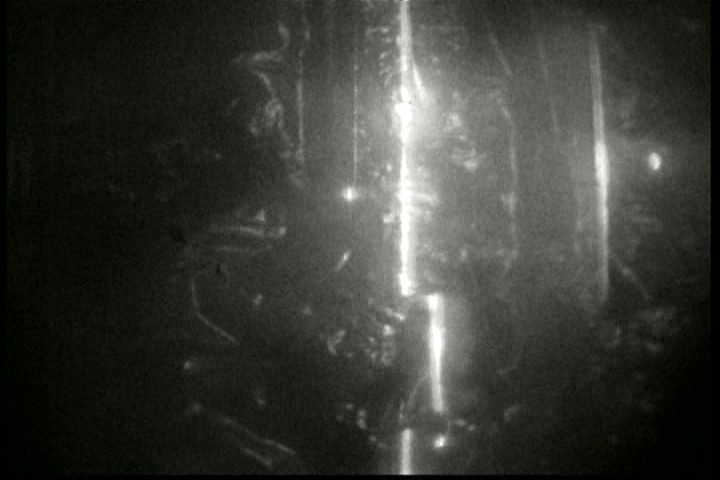
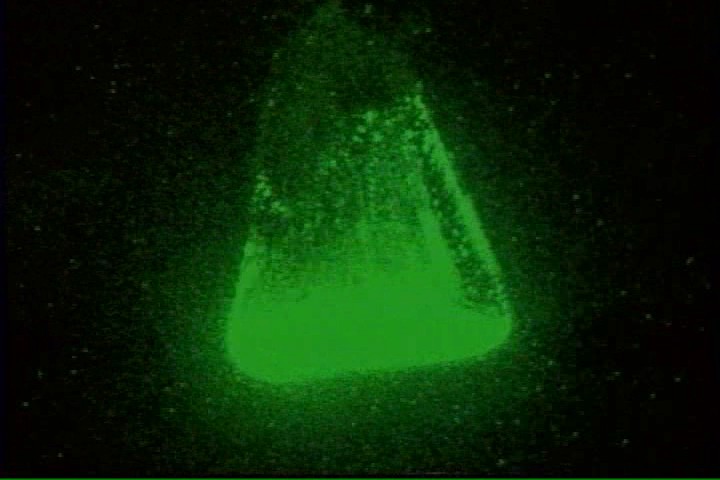
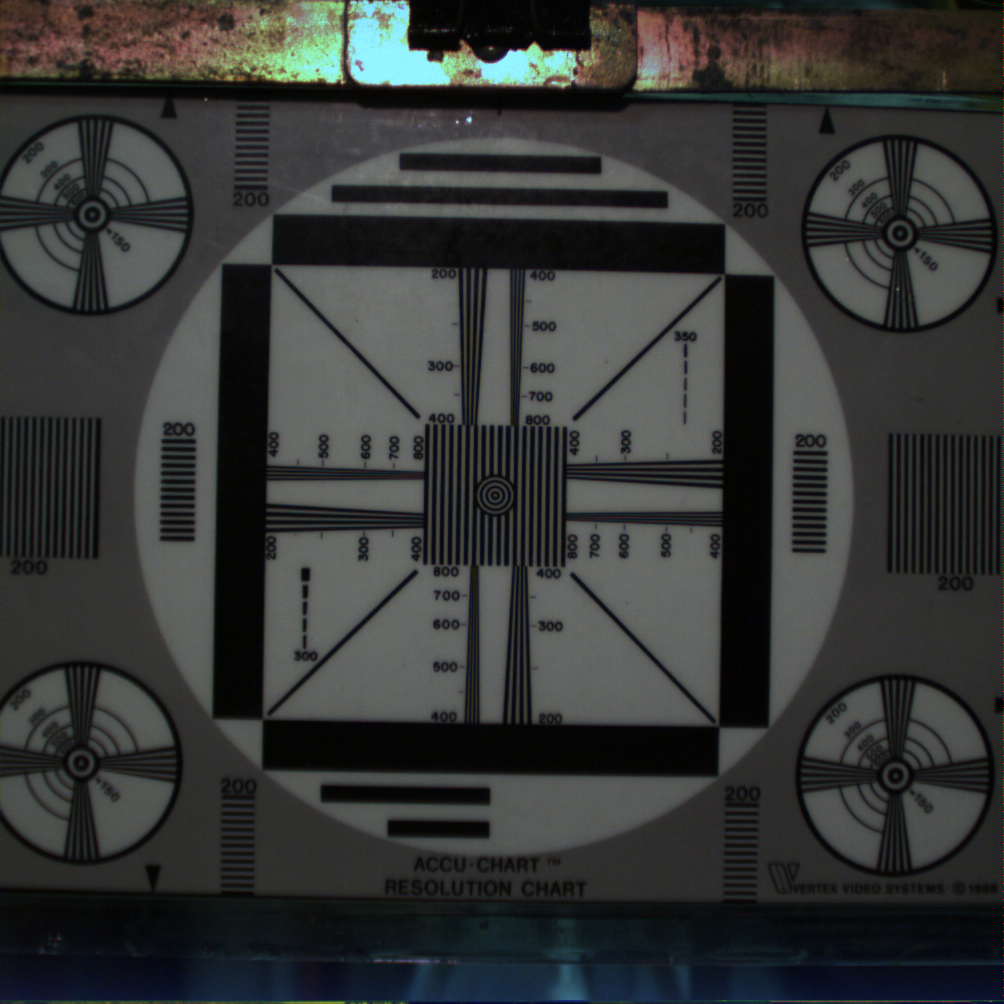
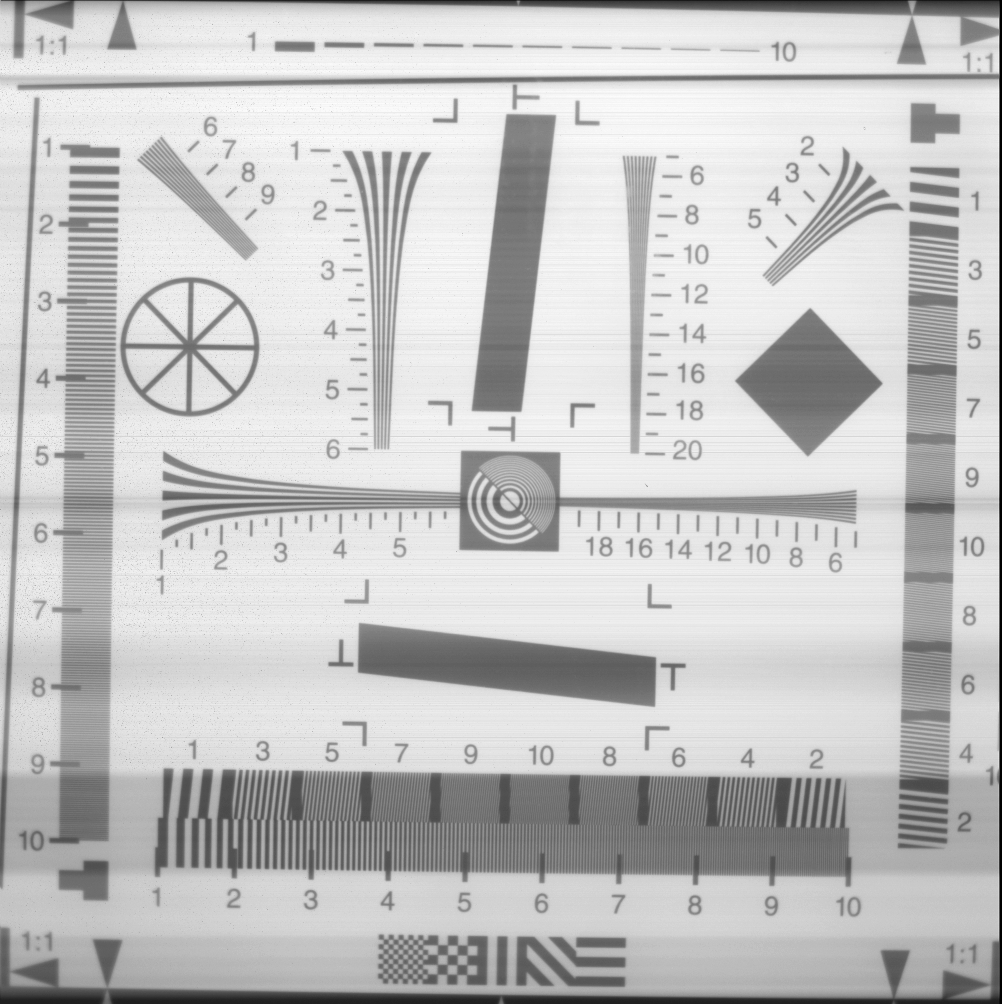
Illuminated Resolution
(should be close to 512 & 512 ) |
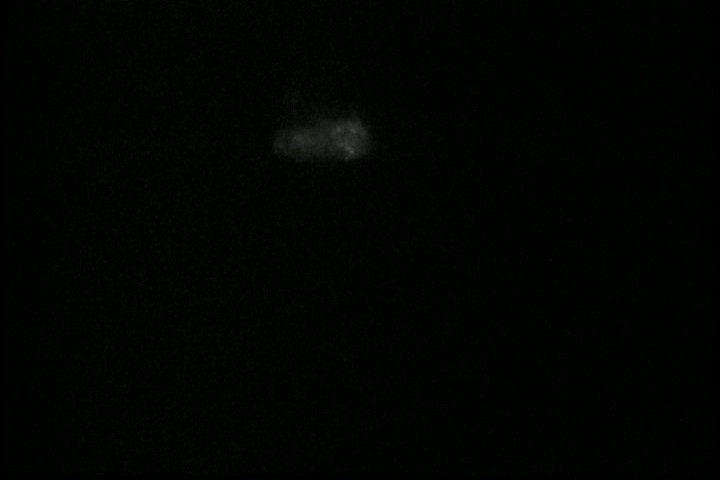
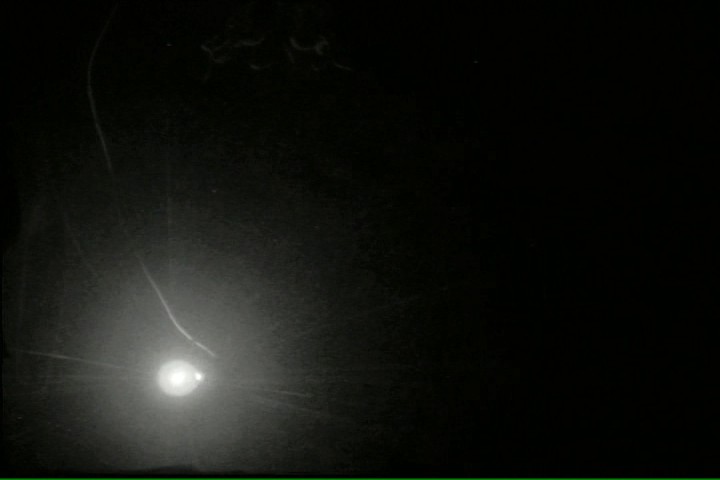
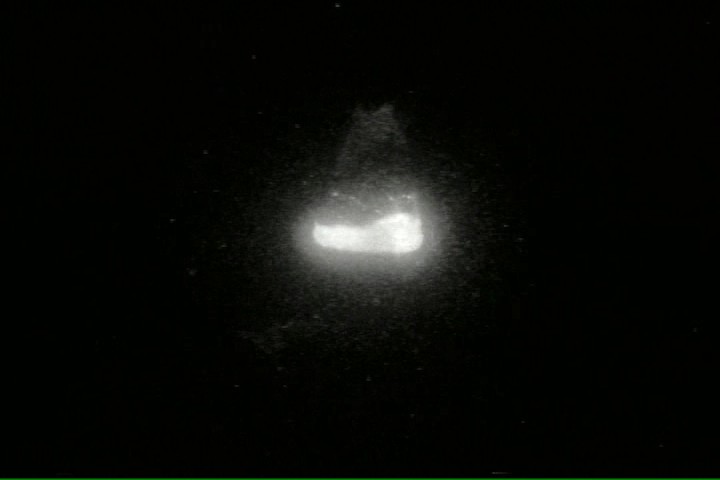
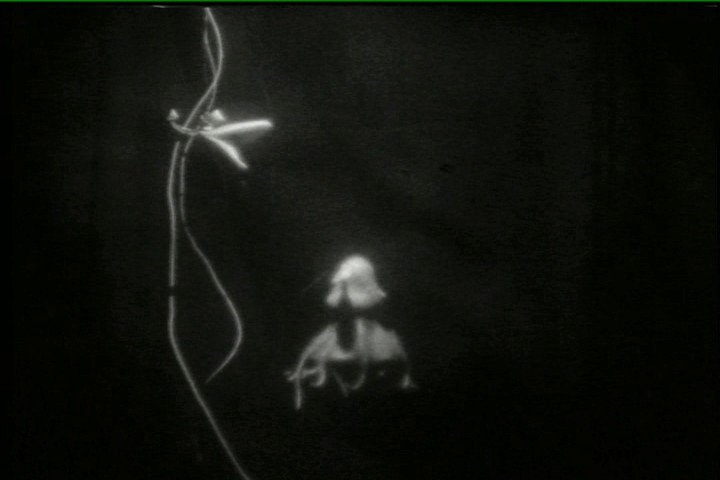
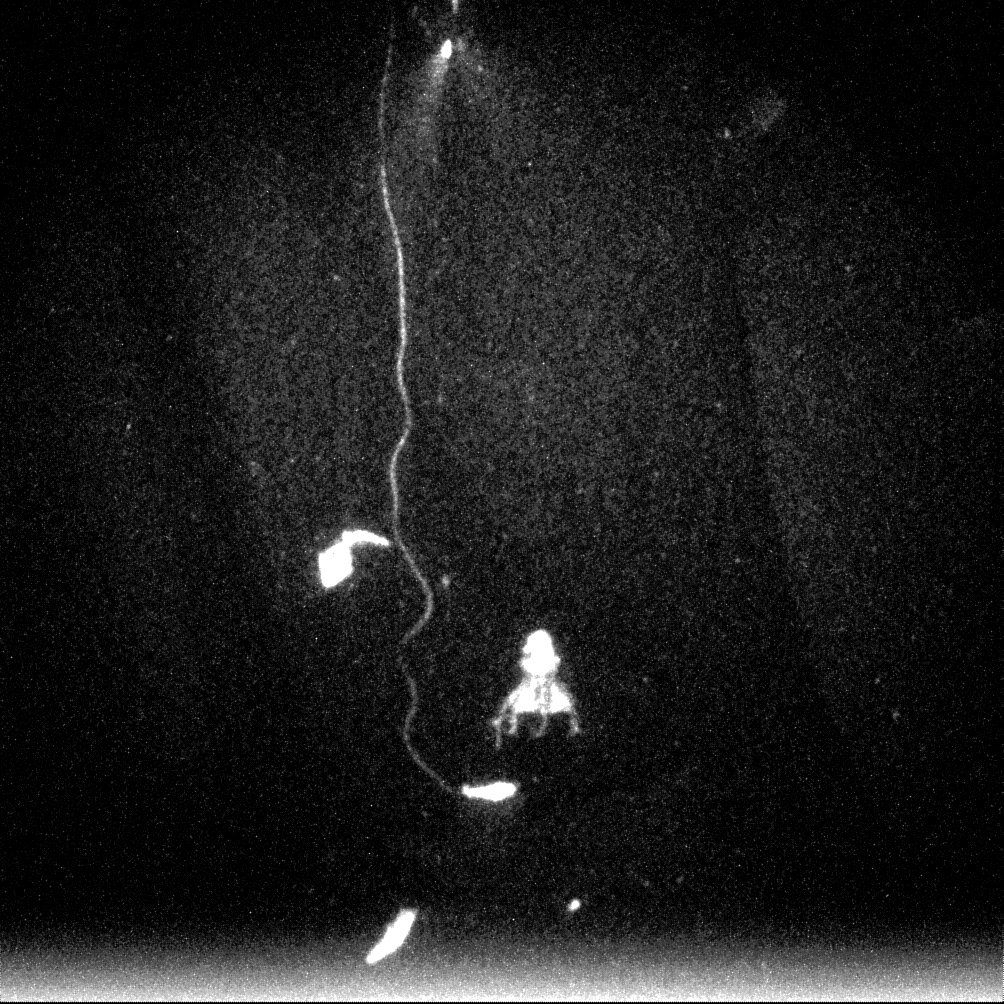
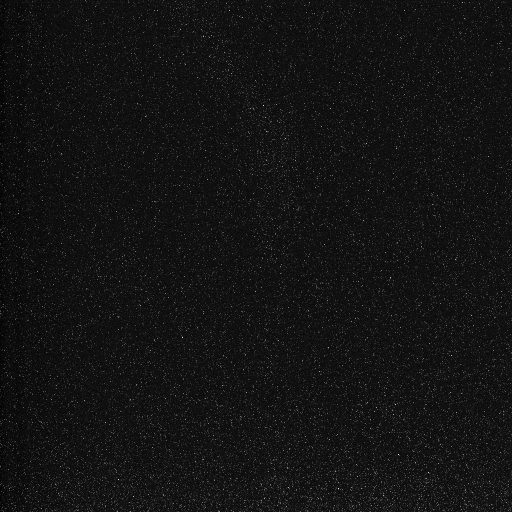
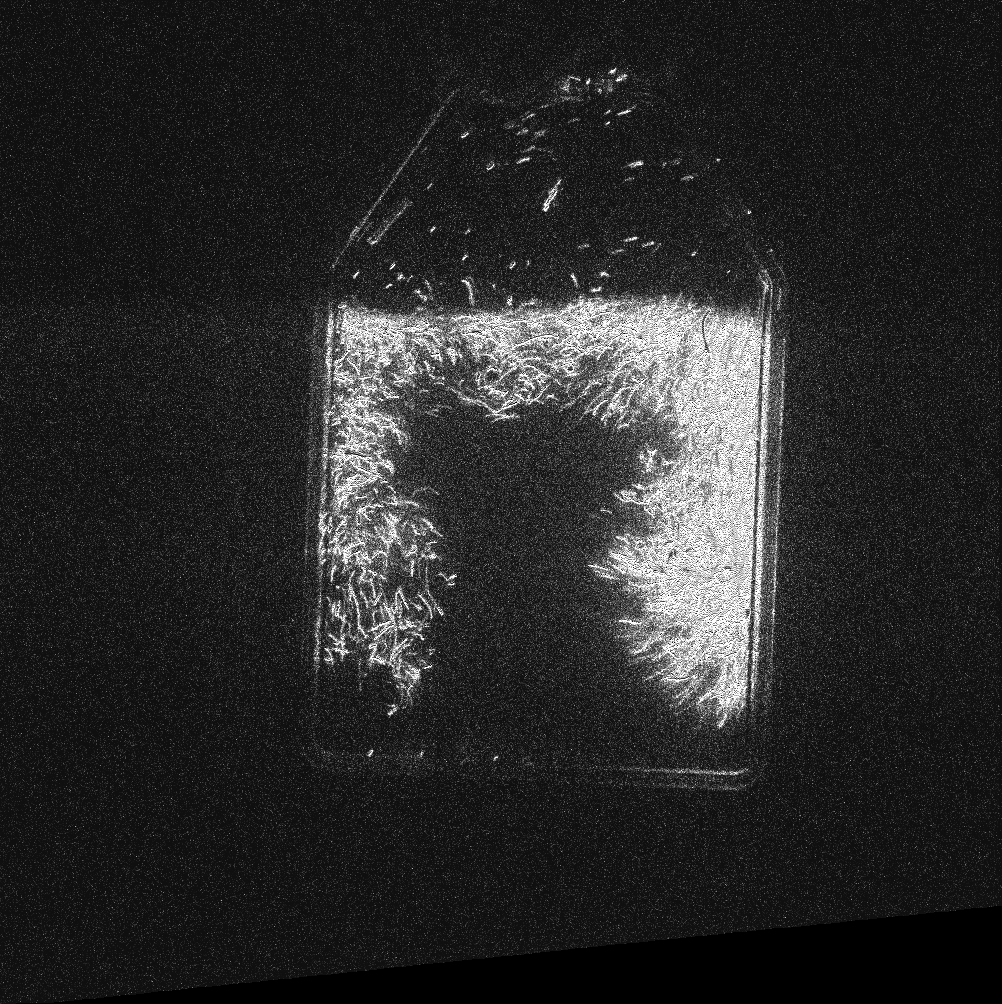
Bioluminescense
512pixels x 512pixels
8.3ms integration
~24fps |
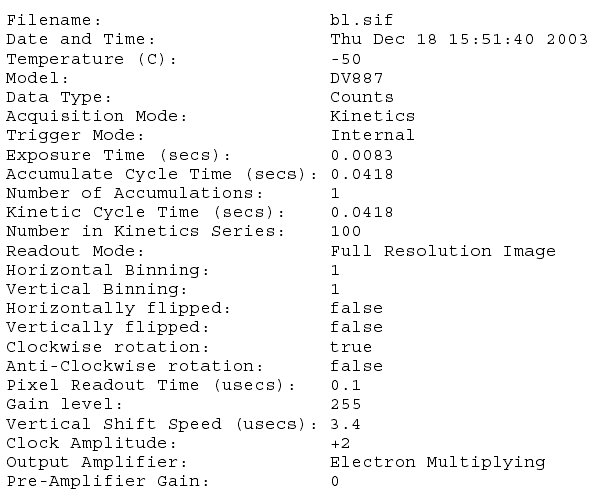
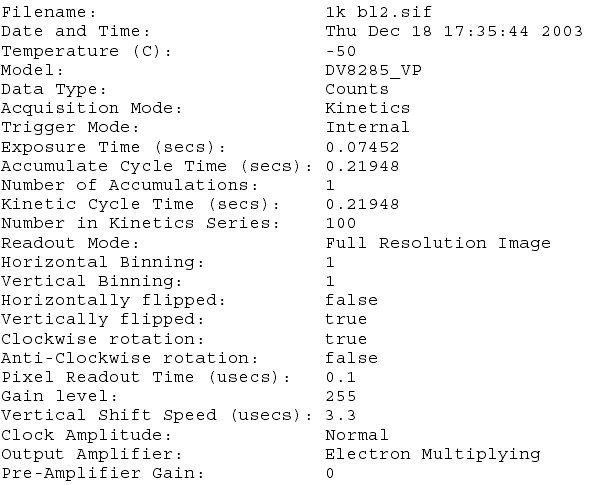
Embedded data in captured video
(shown to the left) |
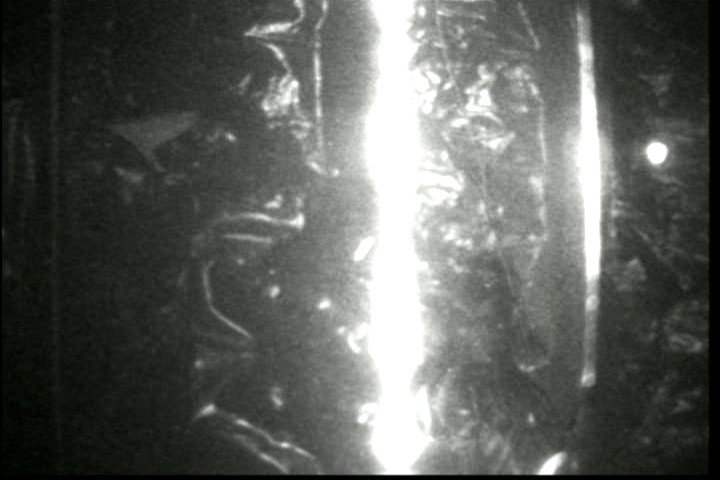
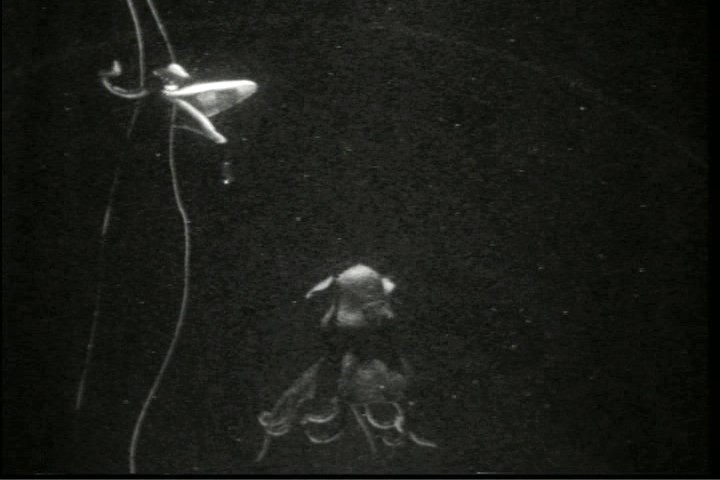
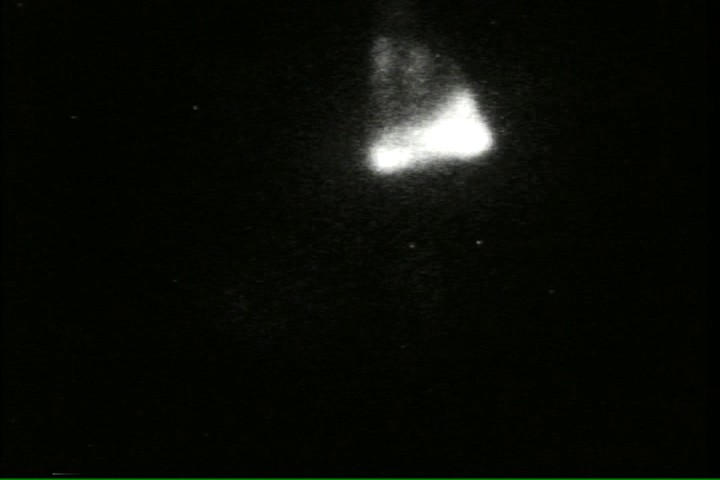
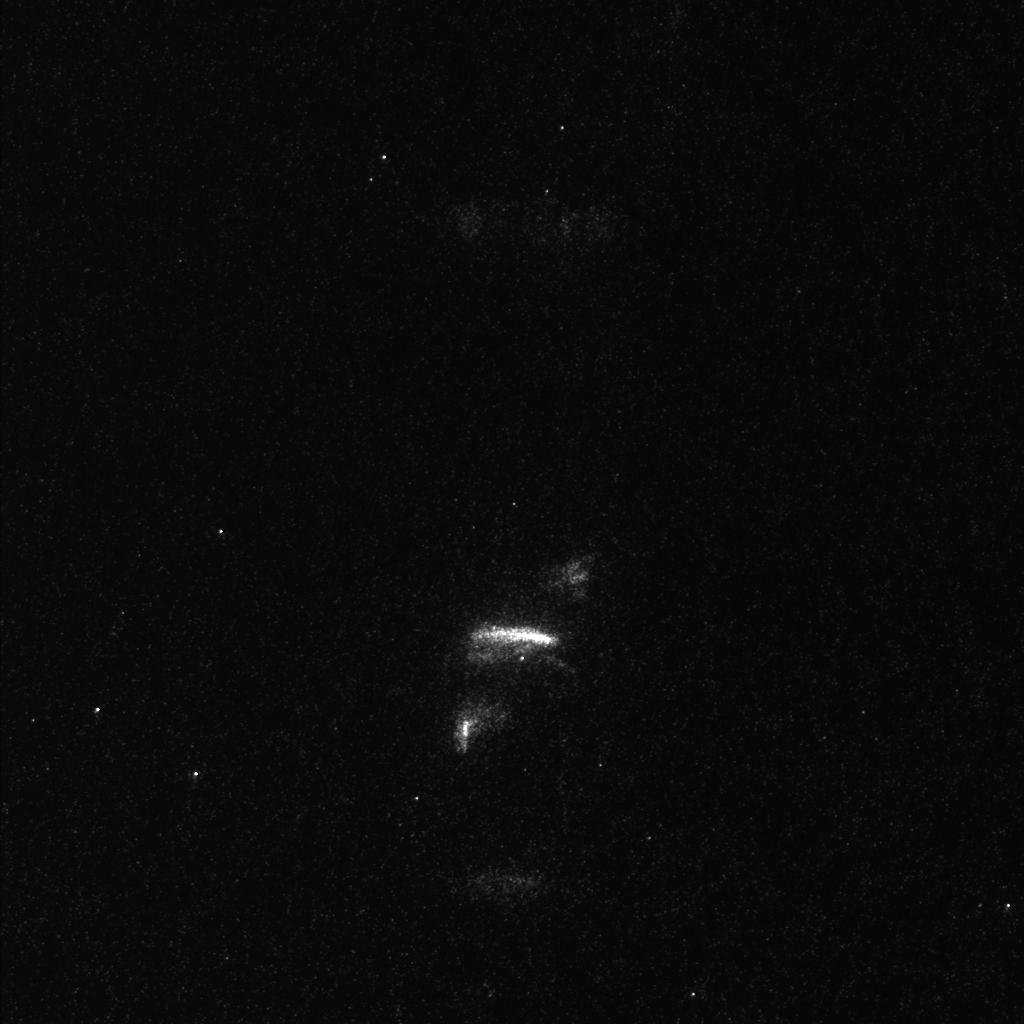
DV885 (front illuminated TI sensor) 1024 x 1024
w/50mm lens (couldn't get 8.5mm lens to focus)
|
|
|
|
|
Illuminated Resolution
(should be close to 1024 & 1024 ) |
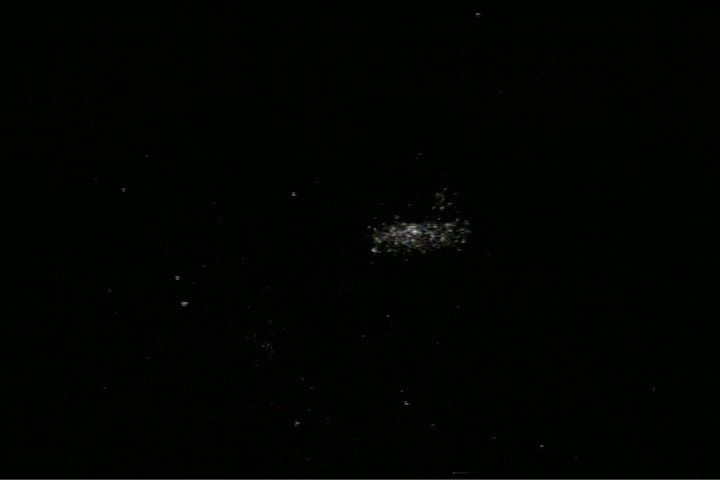
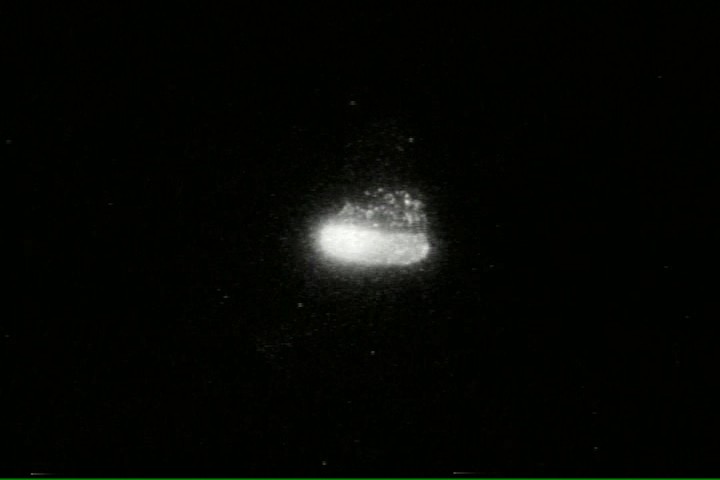
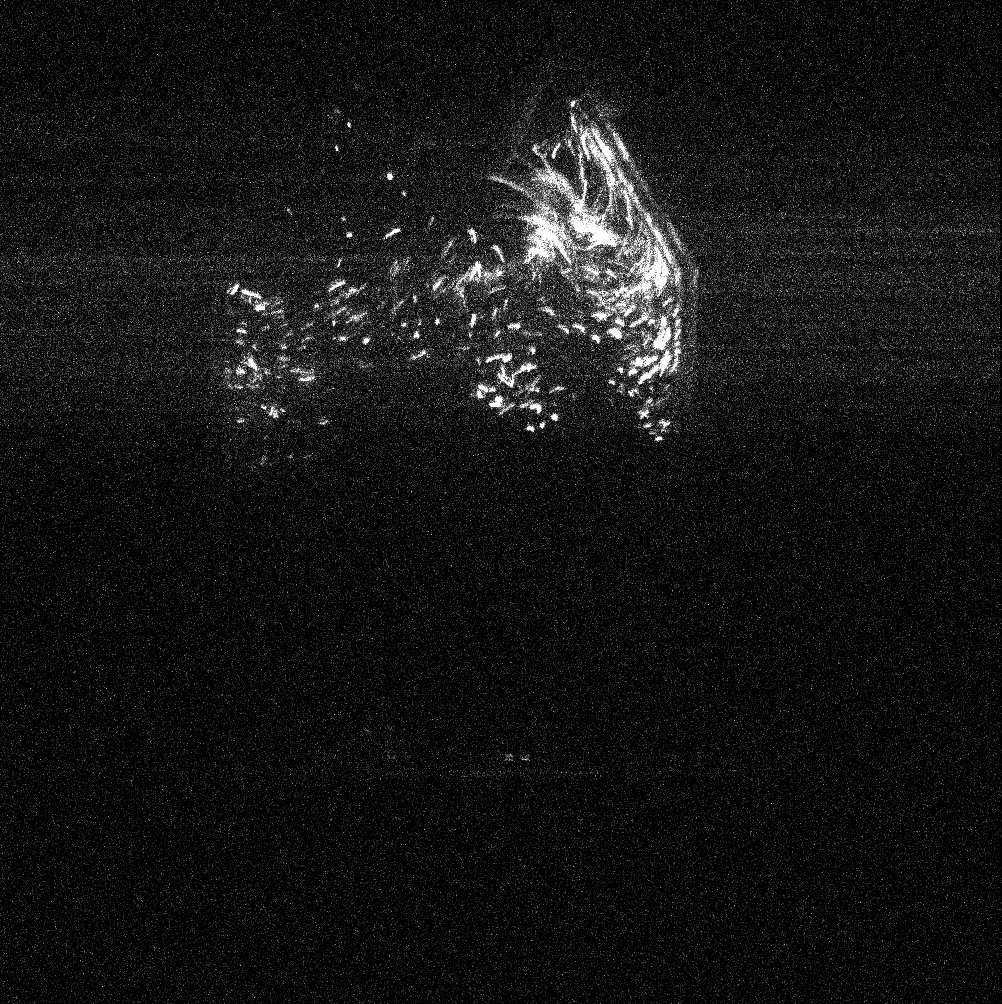
Bioluminescense
1024pixels x 1024pixels
74.5ms integration
~4.56fps |
Embedded data in captured video
(shown to the left) |
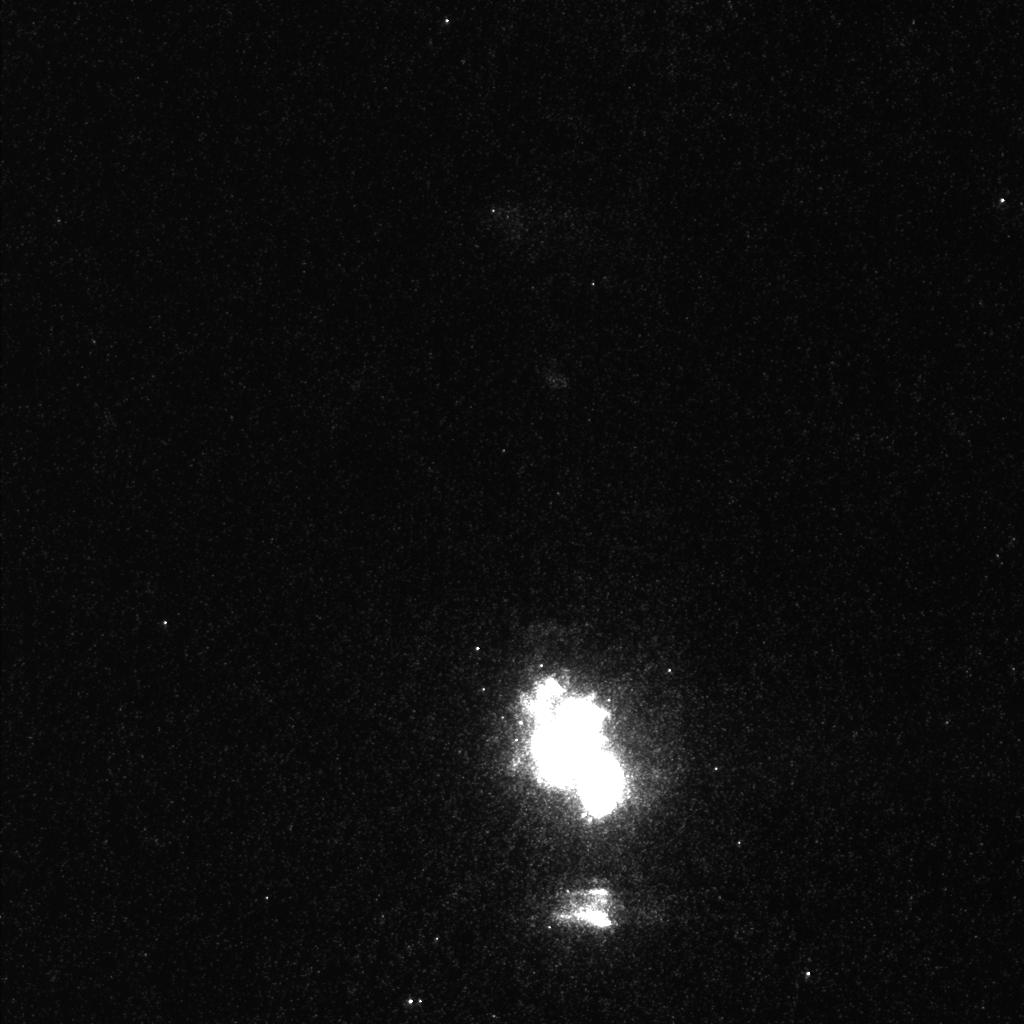
|
|

|
|
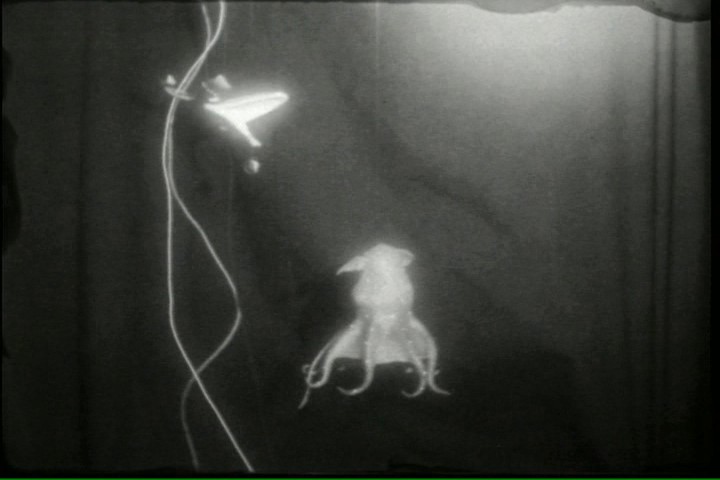
Bioluminescense
1024pixels x 1024pixels
24.82ms integration
~5.89fps |
Embedded data in captured video
(shown to the left) |
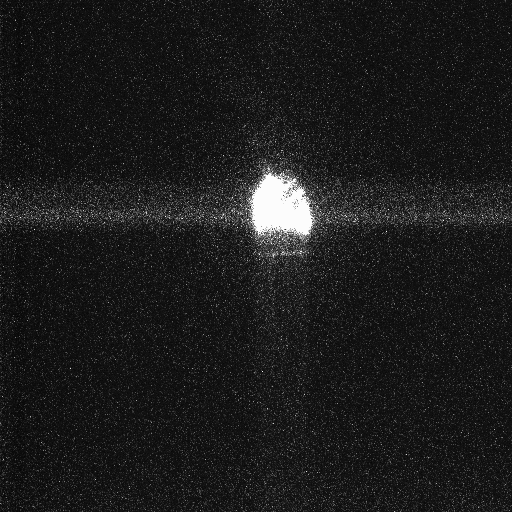
|
 |
 |
|
Bioluminescense
1024pixels x 1024pixels
8.22ms integration
~8.05fps |
Embedded data in captured video
(shown to the left) |
NOTE: As shown in the three movies directly above,
reduced integration time or fast shutter reduces streaking,
essentially freezing motion, but also reduces signal strength.
A high sensitivity camera is required to even consider this as an
option.
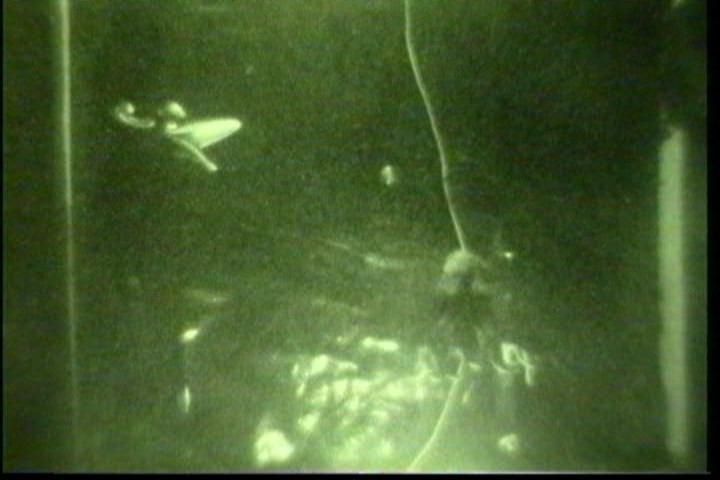
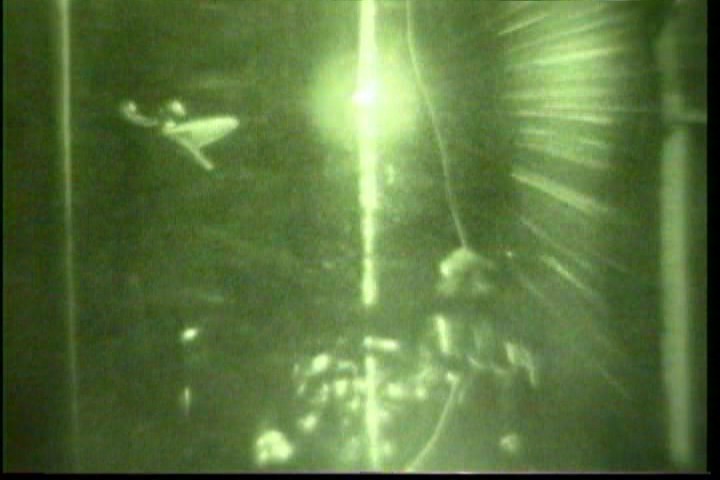
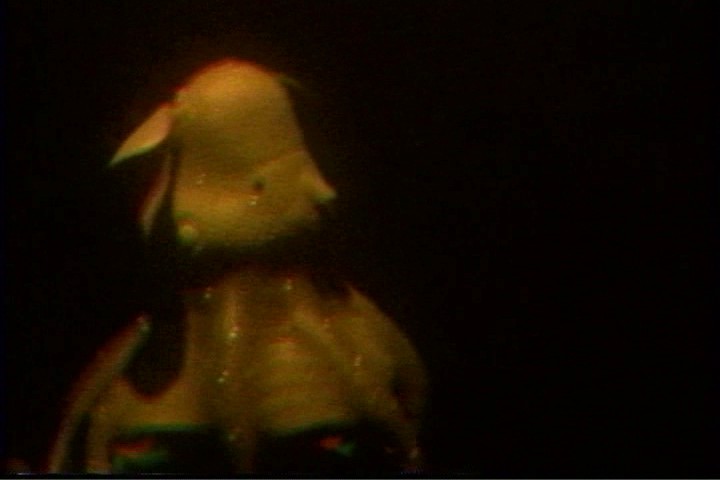
Post processing the video, using Andor's software
interface, can provide different views of the same data. The
following captured monochromatic (B&W) video from the DV887 has
been mapped into different color channels, blue, green and
red. Which one do you like better? As you consider your
options consider that the original light sources are basically blue,
but you may be able to pick out more details in the green
version.
|